
Every growing business eventually runs into the same problem: teams spend too much time repeating manual tasks that do not create enough value. AI automation helps reduce that load by turning repetitive workflows into faster, more reliable systems.
The goal is not to replace human judgment. The goal is to remove unnecessary friction so people can focus on decisions, customers, strategy, and the work that actually needs expertise.
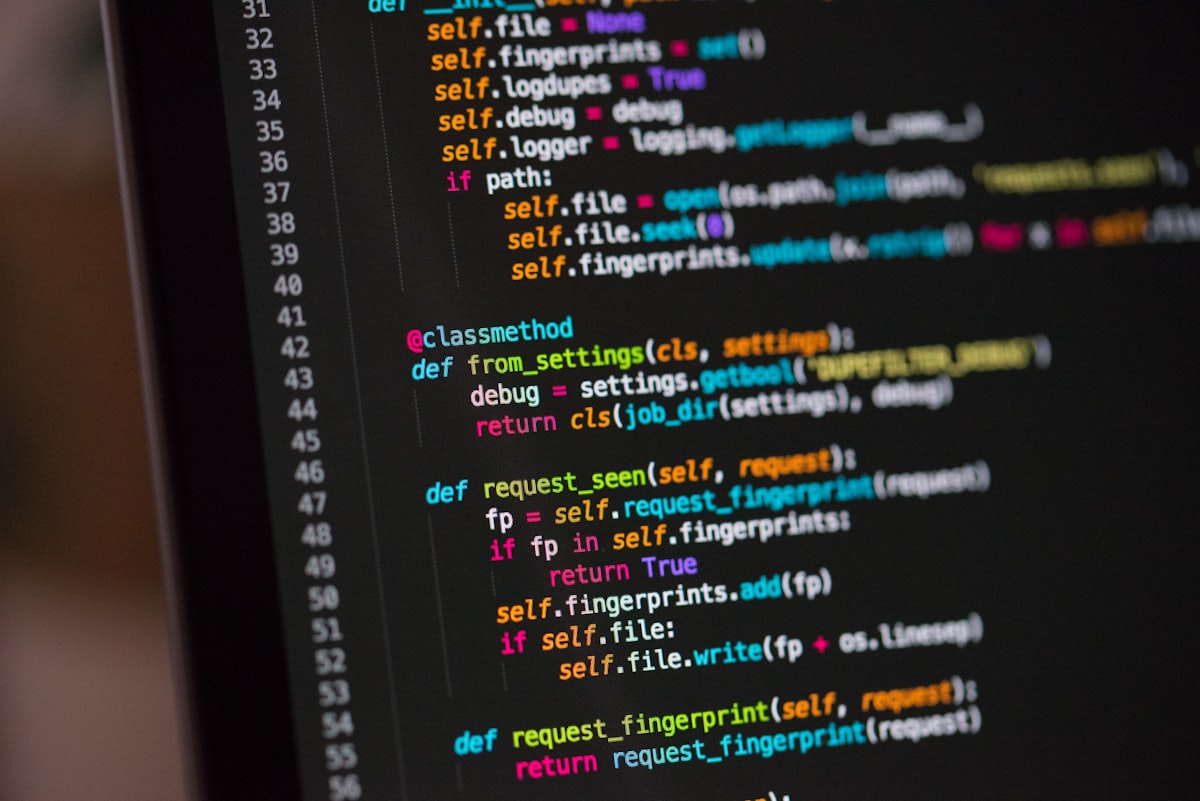
Automation works best when it starts with workflow clarity.
Before adding AI, businesses need to understand where time is being lost, which decisions are repeated, and which tasks can be safely assisted or automated.
Where AI Automation Helps
- Processing customer requests and routing them to the right team.
- Summarizing documents, emails, forms, reports, and support conversations.
- Extracting data from repetitive inputs and reducing copy-paste work.
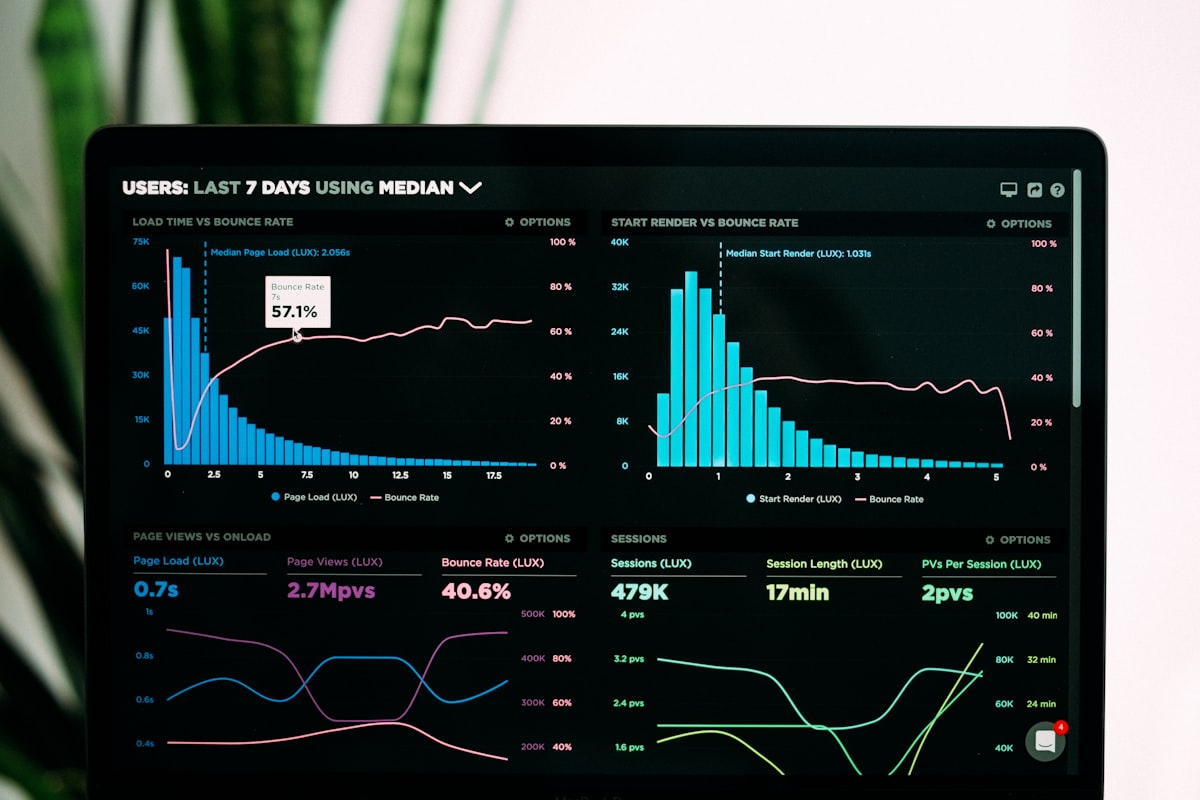
- Generating operational insights from business dashboards and activity logs.
- Supporting sales, customer service, finance, HR, and internal operations.
Why It Helps Companies Scale
Scaling is not only about adding more people or tools. It is about building systems that can handle more work without breaking quality. AI automation gives teams the ability to process more information, respond faster, and keep workflows consistent as demand grows.
For smaller teams, automation can create capacity. For larger organizations, it can reduce bottlenecks, improve consistency, and make internal systems easier to manage.

A Practical Implementation Path
The best place to start is a workflow that is repetitive, measurable, and painful enough to justify improvement. From there, teams can design a controlled automation layer, test it with real users, and improve it based on performance.
At Sharkhood, we focus on AI automation that is useful, secure, and tied to business outcomes. That means solving real operational problems first, then choosing the right technology to support the solution.